History of Lakeview, Chicago
For my class on Urban Space, Place, and Institutions, I wrote a paper on the history of the Lakeview neighborhood in Chicago. Lakeview is a very diverse neighborhood, home to the Chicago Cubs, Chicago’s LGBTQ nightlife scene, and over 100,000 residents. This paper explores the history of the neighborhood from its humble beginnings as a small township outside Chicago to a bustling hub of activity.
Skills used:
Historical research
Analytical writing
Community analysis
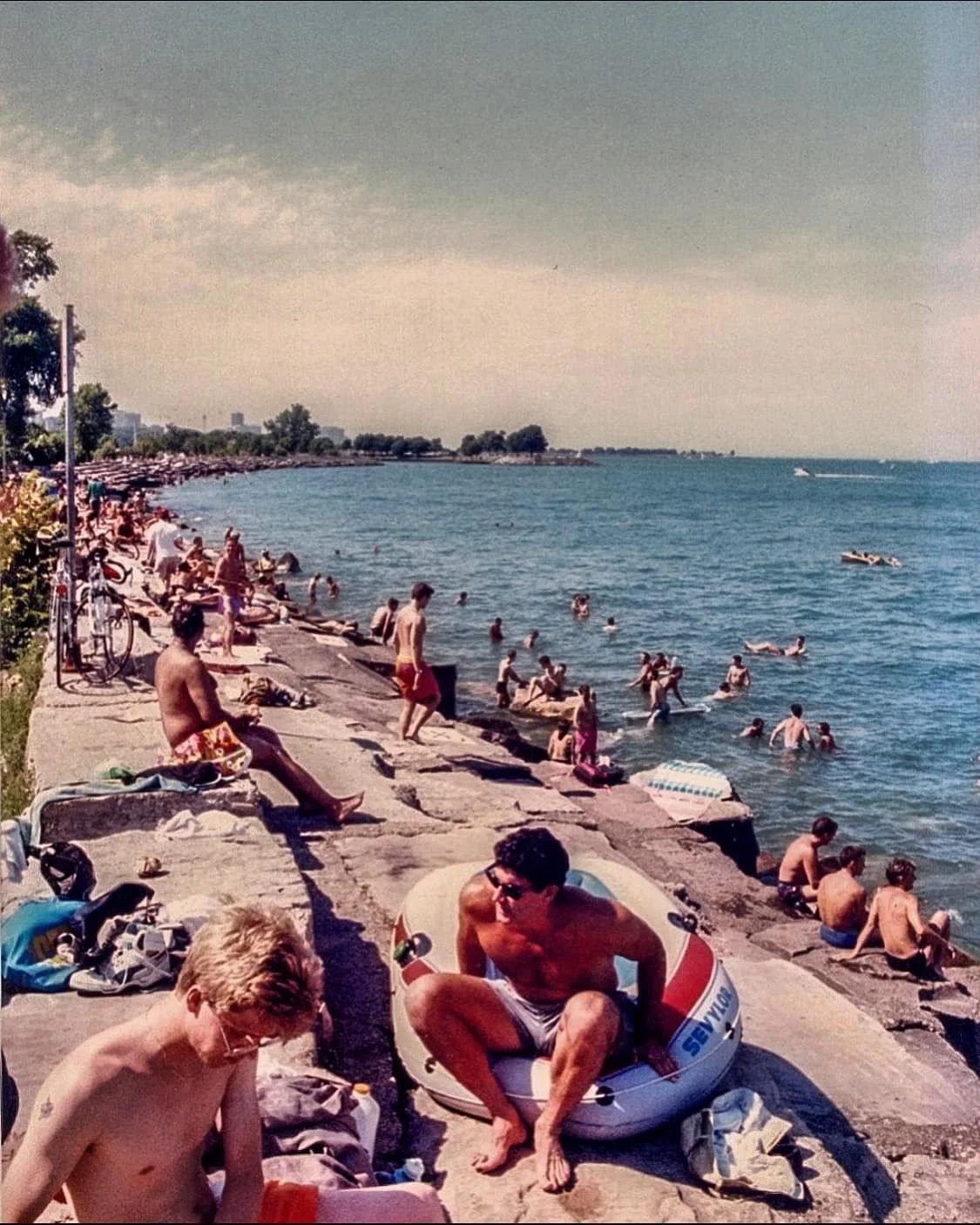
Lakeview is a vibrant neighborhood in Chicago, IL in which Chicagoans are constantly renegotiating what streets, curbs, stations, and parks are for. Ever since Lake View Township voted to be annexed into Chicago in 1889 to secure city services, the neighborhood’s rules and regulations have been a cooperative effort by residents, businesses, and city agencies at large. Early in the twentieth century, the Northwestern Elevated connected Lakeview with a citywide commute pattern, concentrating residences and businesses around stations like Belmont (opened May 31, 1900) (Chicago “‘L’”.Org: Stations - Belmont, n.d.). In 1914, Wrigley Field opened, bringing Major League Baseball, and major headache, to the neighborhood. The city and residents have been working together with the Cubs ever since to minimize disruption to the surrounding neighborhood and create an enjoyable experience for fans coming to the game (Wrigley Field History | Chicago Cubs, n.d.). Slightly east of Wrigley Field is the vibrant LGBTQ neighborhood of “Northalsted,” which hosts a number of different queer nightclubs and bars and features rainbow and trans pride crosswalks. Regardless of where you are in Lakeview, something is always going on.